

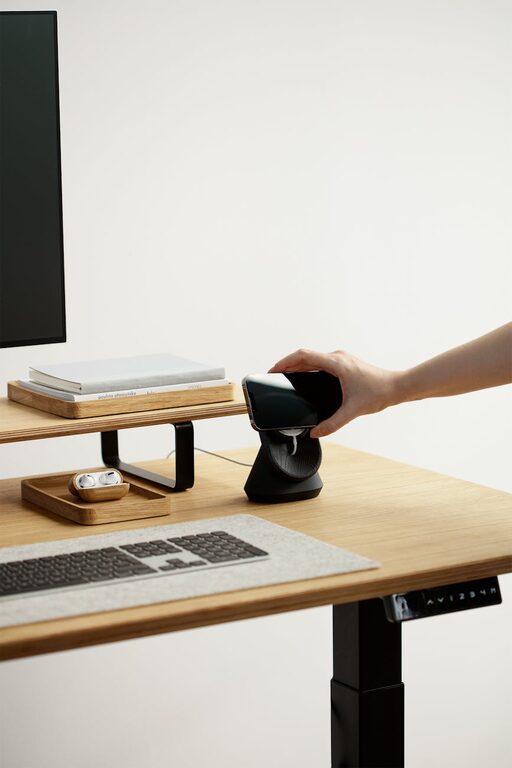
Tips for Creating a Cozy and Productive Home Office Space
Creating a home office that feels both cozy and productive can make a significant difference in your work-from-home experience. A well-designed workspace encourages focus, reduces stress, and boosts creativity. Whether you have a dedicated room or just a small corner, these tips will help you craft an environment that supports your best work habits while making you feel comfortable.
Choose the Right Location
Selecting the perfect spot for your home office is the first step. Ideally, you want a space that is quiet, has good natural light, and offers enough room for your essential equipment.
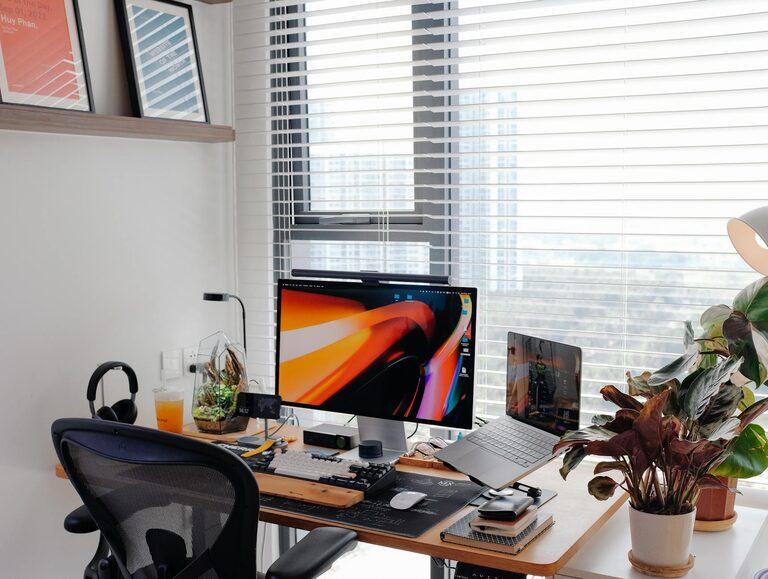
– Natural Light: Position your desk near a window if possible. Natural light helps reduce eye strain and elevates your mood.
– Minimal Distractions: Avoid high-traffic areas like the kitchen or living room where noise and interruptions are common.
– Space to Grow: Even if your room is small, plan for storage options and allow space to stretch or move around comfortably.
Invest in Comfortable Seating
Your chair is one of the most important elements in your home office. An ergonomic chair supports proper posture, reducing the risk of back and neck pain.
– Look for adjustable chairs that offer lumbar support.
– Consider adding a cushion or footrest for extra comfort.
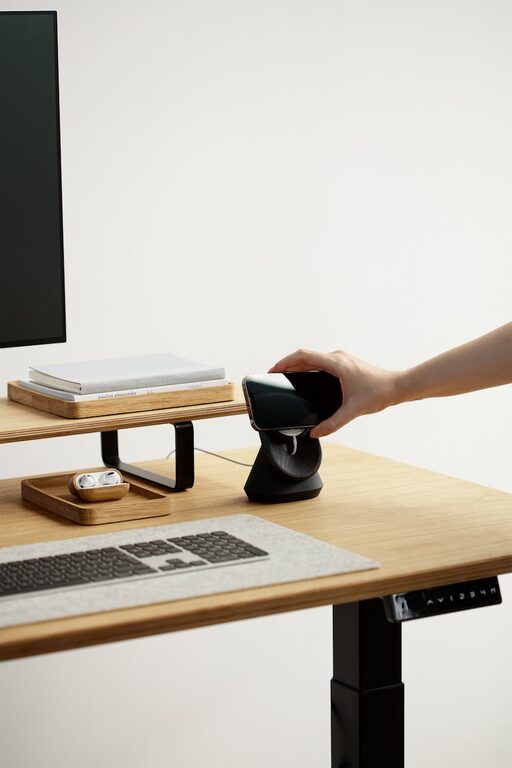
– If you prefer standing, a height-adjustable desk or a standing mat can provide variety and reduce fatigue.
Organize Efficiently
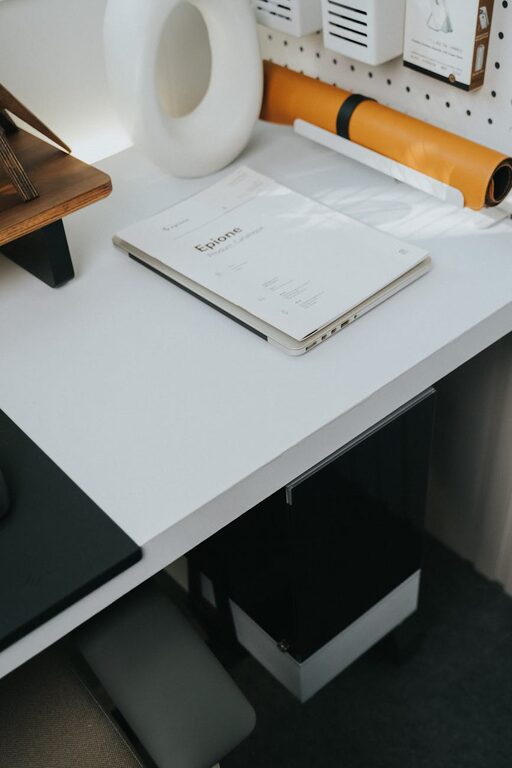
A cluttered desk can hinder productivity and create stress. Implement organization systems to keep your workspace tidy.
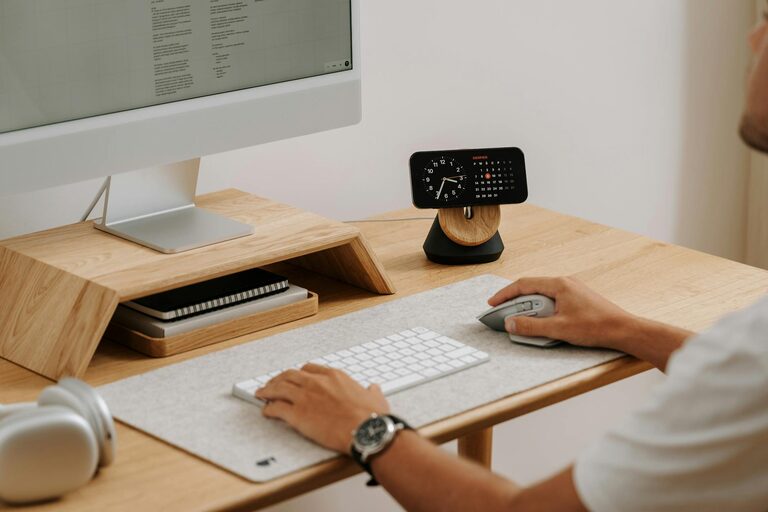
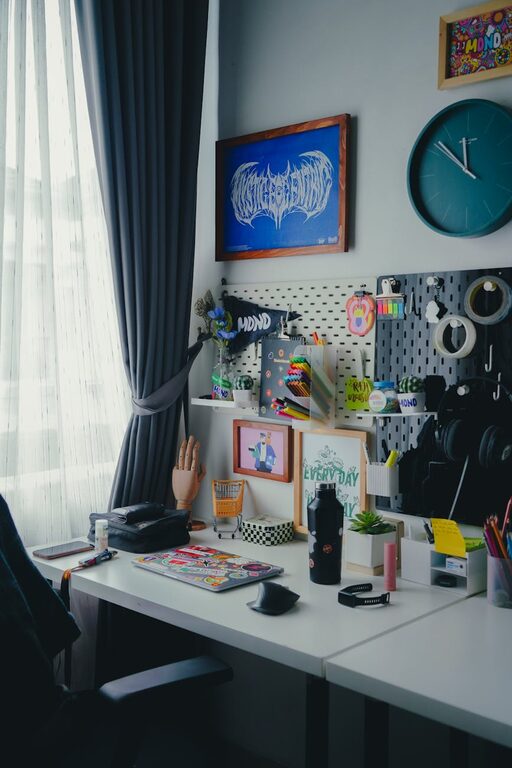
– Use drawer organizers, shelves, and filing cabinets to store documents and supplies.
– Keep everyday items within arm’s reach to minimize distractions.
– Digital tools like task apps and calendars can also help keep you organized.
Personalize Your Space
Adding personal touches makes your office more inviting and reflective of your style, which can boost morale.
– Decorate with plants, artwork, or photos that inspire you.
– Use colors that promote focus and calm; soft blues and greens are often recommended.
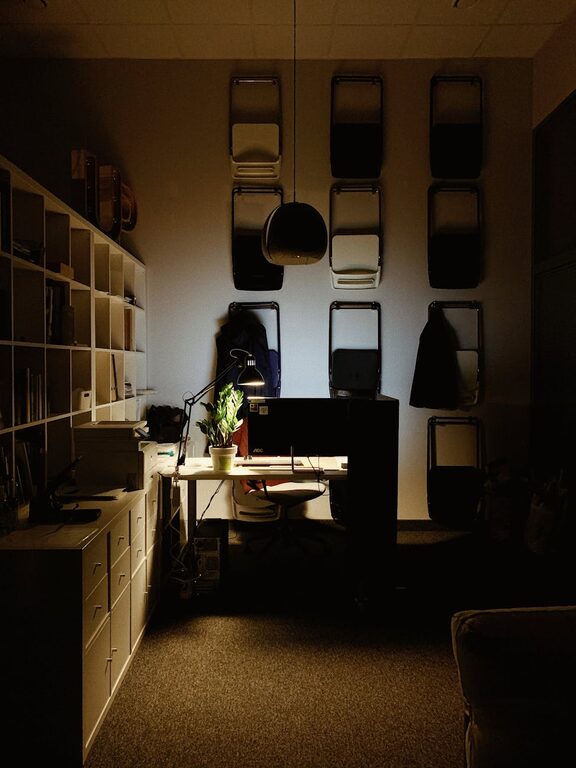
– Choose a desk lamp with adjustable brightness to create a warm ambiance during late hours.
Optimize Lighting
Good lighting reduces eye strain and creates a productive atmosphere.
– Combine ambient, task, and natural lighting for balance.
– Position your computer screen to avoid glare from windows or lamps.
– Consider LED bulbs for energy efficiency and customizable light temperatures.
Manage Technology Wisely
Technology is central to modern work but can also be a source of distraction if not managed.
– Invest in reliable internet connectivity and necessary peripherals like a quality headset or external keyboard.
– Use cable organizers to keep wires neat and safe.
– Set up dual monitors if your work involves multitasking or design.
Incorporate Break Zones
Taking breaks is essential for maintaining productivity and mental health.
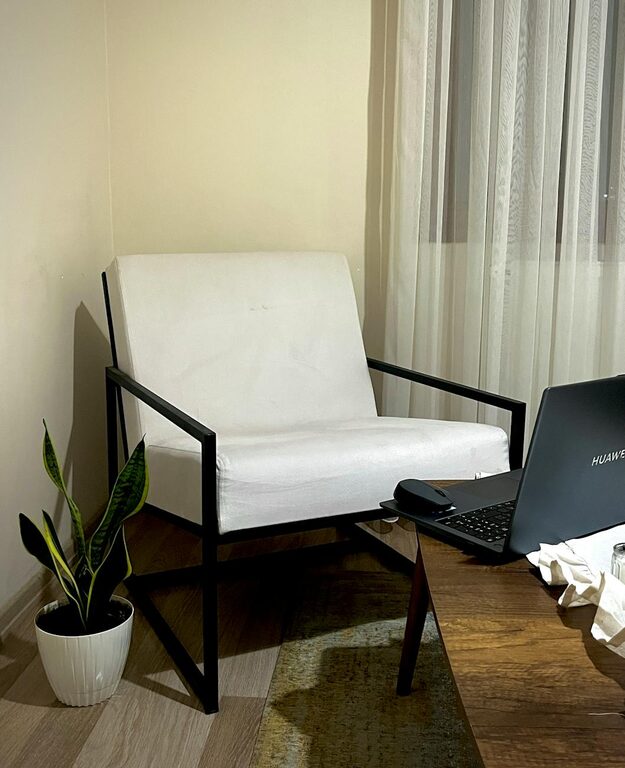
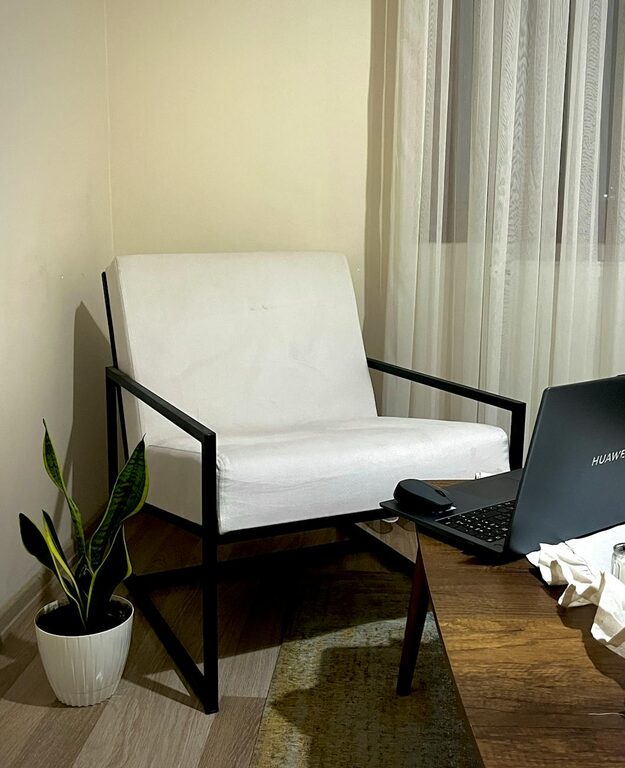
– If space allows, include a cozy chair or small sofa for short rests.
– Use this area to relax, read, or stretch away from your desk.
– Adding a small coffee station or water bottle nearby encourages hydration and comfort.
Maintain a Healthy Routine
Your environment influences your work habits.
– Keep your workspace clean and make it a habit to tidy up at the end of each day.
– Set clear start and finish times to create boundaries between work and personal time.
– Take regular breaks to stand, stretch, or step outside for fresh air.
Conclusion
Designing a cozy and productive home office is about balancing comfort with function. By focusing on location, seating, organization, lighting, and personal touches, you create a space that not only supports your work but also enhances your well-being. Small changes can make a big difference in creating an inspiring environment where you can thrive every day.