

Tips for Creating a Relaxing Home Office Environment
Creating a home office that feels relaxing and inviting can greatly improve your productivity and overall well-being. Whether you’re working remotely full-time or just need a comfortable spot to handle occasional tasks, a thoughtfully designed workspace can reduce stress and help you stay focused. Here are some practical tips to turn your home office into a calm and efficient environment.
Choose the Right Location
Selecting the right spot for your home office is the first important step. Ideally, pick a space that is quiet and away from high-traffic areas in your home. If possible, choose a room with a door so you can separate work time from personal life.
If space is limited, a corner in a larger room can work well. Use room dividers or shelving units to visually separate the office area from the rest of the space.
Optimize Lighting
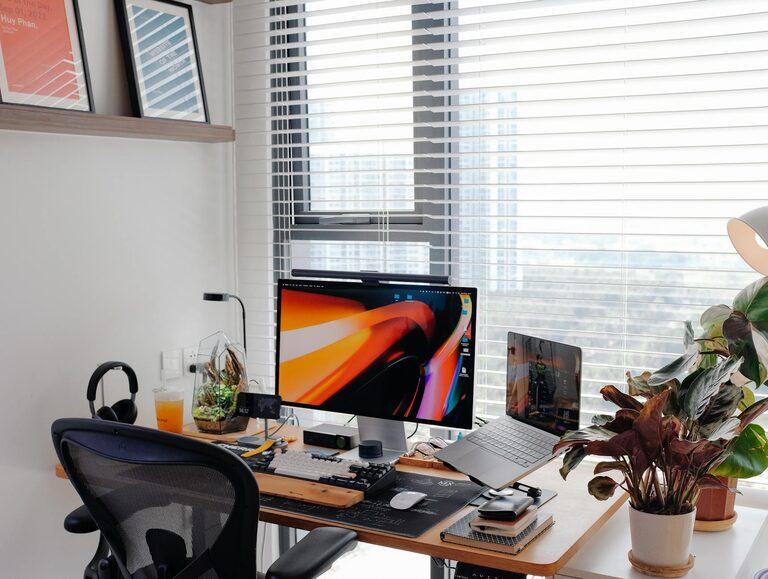
Good lighting makes a big difference in how comfortable and relaxing your workspace feels. Natural light is best, so position your desk near a window if you can. Exposure to daylight can improve mood and help regulate your body’s internal clock.
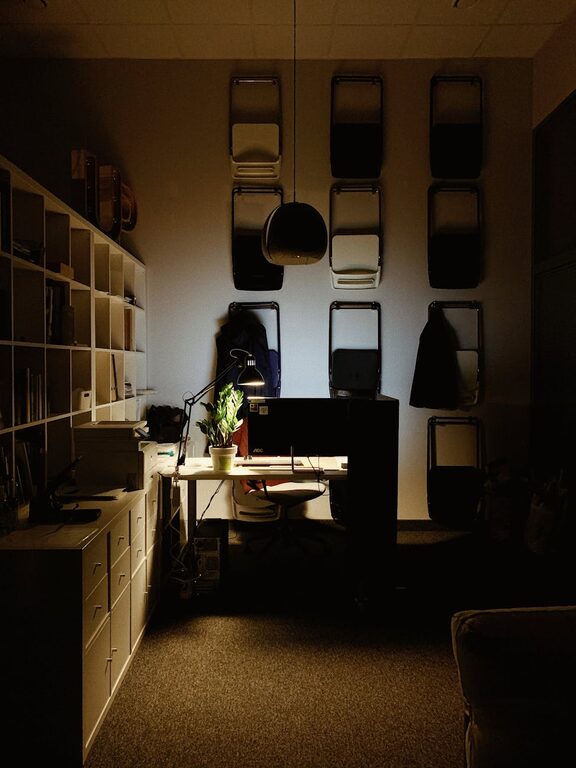
If natural light is limited, invest in good-quality artificial lighting. Use a combination of ambient lighting and task lights. A desk lamp with adjustable brightness is helpful for focused work. Avoid harsh overhead lights or screen glare, which can cause eye strain and discomfort.
Invest in Comfortable Furniture
Comfort is key when you spend many hours working. Choose an ergonomic chair with good lumbar support to protect your back. Adjust your chair height so your feet rest flat on the floor and your elbows form a right angle when typing.
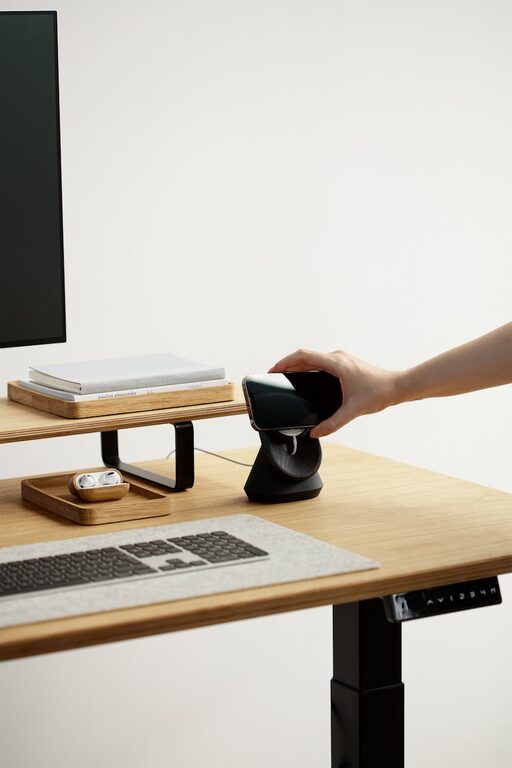
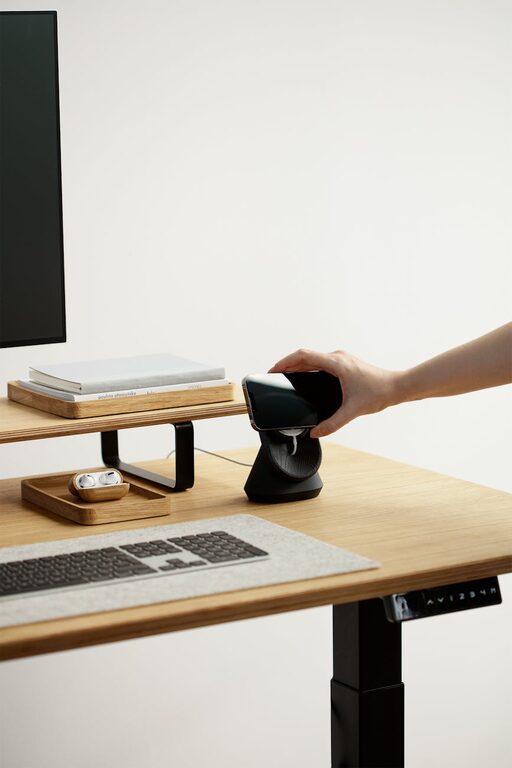
Pick a desk surface that suits your workflow and is the right height. If possible, consider a sit-stand desk to alternate between sitting and standing throughout the day, which can reduce fatigue.
Keep It Organized and Clutter-Free
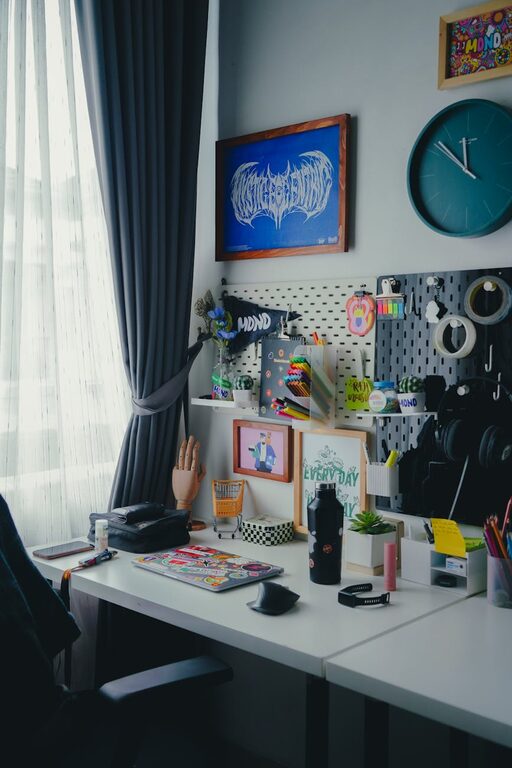
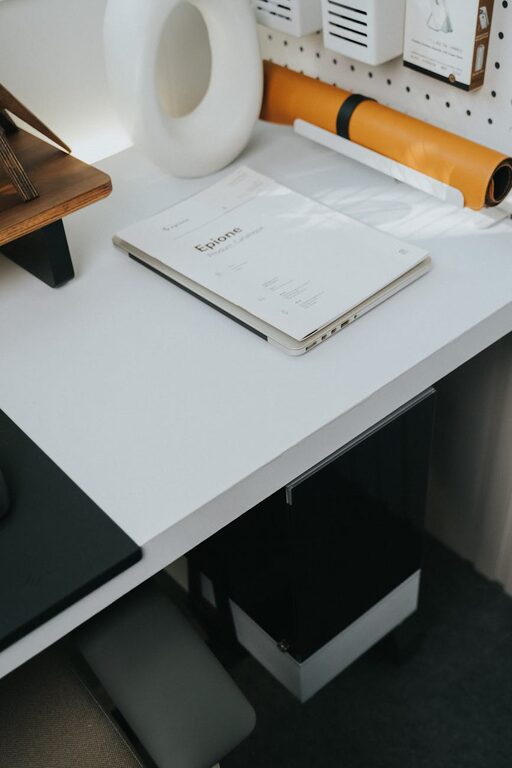
A cluttered workspace can interfere with your ability to relax and focus. Implement storage solutions such as shelves, drawers, and organizers to keep supplies neatly stored.
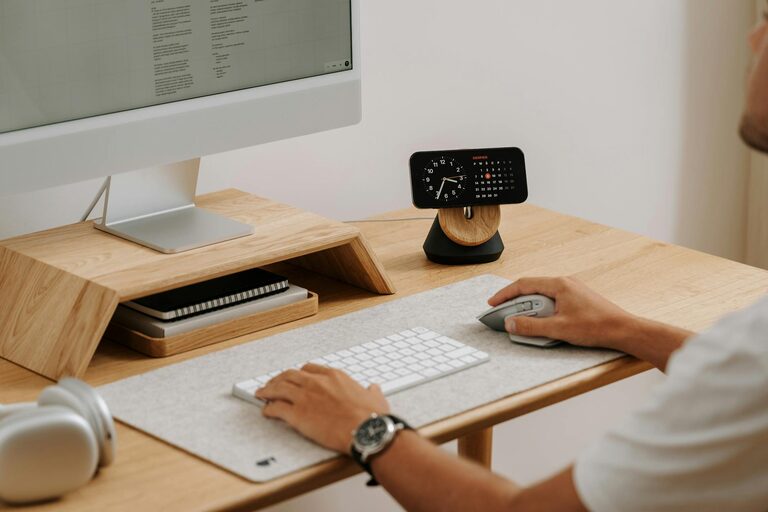
Regularly clear your desk of unnecessary items. Use cable management accessories to prevent tangled cords. A clean and orderly workspace contributes to a calm atmosphere.
Add Soothing Colors and Personal Touches
Colors affect mood, so select calming tones such as soft blues, greens, or neutrals for your office walls or decor. These hues can help reduce stress and promote concentration.
Personalize your office with meaningful decor like framed photos, art prints, or plants. Adding greenery not only enhances the look but also improves air quality and has a calming effect.
Control Noise and Distractions
Noise can be distracting and stressful, especially if you share your home with others. Use noise-cancelling headphones if you need quiet focus.
Consider white noise machines or soft background music to drown out interruptions. If your office is near noisy areas, use rugs, curtains, or acoustic panels to absorb sound.
Establish Relaxation Break Areas
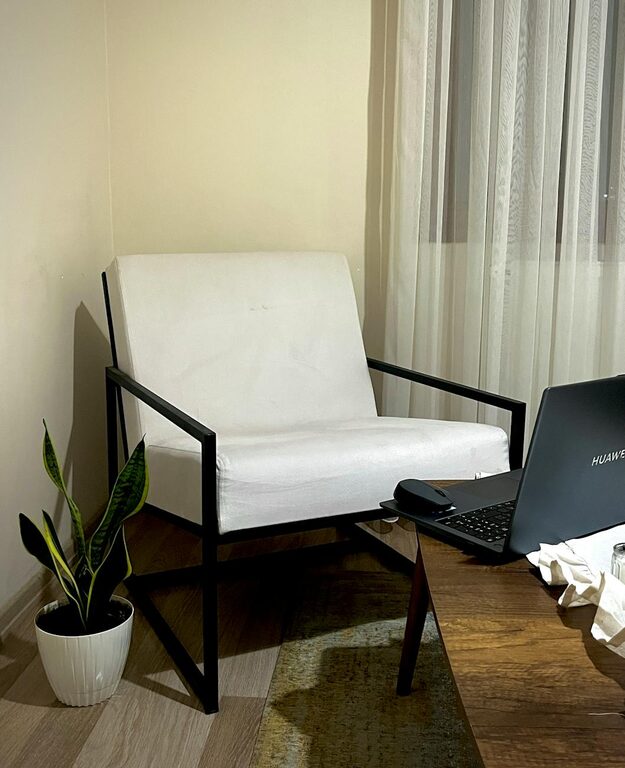
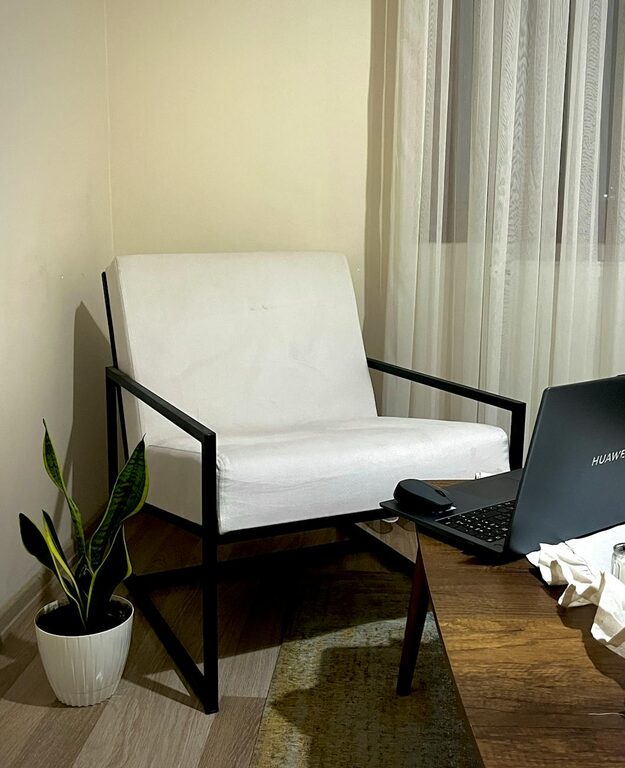
Sometimes stepping away from your desk for a few minutes can refresh your mind and reduce tension. Create a small relaxation corner with a comfortable chair or cushion where you can stretch, meditate, or just take a breather.
Try adding a diffuser with essential oils like lavender or eucalyptus to promote relaxation during breaks.
Maintain Good Air Quality
Fresh air contributes to focus and well-being. Keep windows open when weather allows, or use an air purifier to reduce dust and allergens.
Avoid overwhelming scents that could be distracting or irritating. Instead, stick to light, natural fragrances.
Manage Technology Mindfully
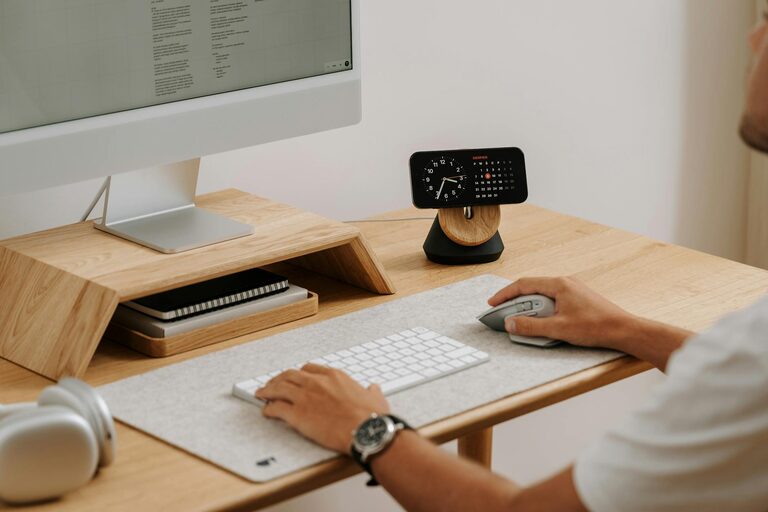
Technology is central to most home offices but can also be a source of frustration. Arrange your computer, keyboard, mouse, and other devices ergonomically to avoid strain.
Turn off non-essential notifications to minimize distractions. Use apps or settings that help you take regular breaks to avoid digital fatigue.
Set Clear Boundaries
A relaxing home office isn’t just about physical setup—it’s also about mental space. Set clear working hours and communicate them to family or housemates to reduce interruptions.
At the end of the workday, close your office door or put away work materials to help mentally separate work from home life.
—
Creating a relaxing home office environment takes some planning, but the results can make your workday more pleasant and productive. By focusing on comfort, organization, and a calming atmosphere, you’ll build a space where you can thrive professionally and feel at ease.